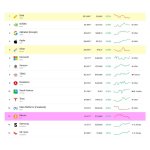
In early February 2026, the crypto market experienced one of its most dramatic corrections this year: Bitcoin plummeted from around $90,000 to $61,000, shedding nearly 32% in just a few days. The crash sent shockwaves through the investor community and triggered massive liquidations across the entire crypto ecosystem.
Analysts point to several interconnected factors behind this steep decline:
As of mid-February 2026, Bitcoin is trading in the $61,000–$65,000 range, testing critical support levels. Some market observers believe a local bottom may be forming—particularly if the price holds above the $60,000 mark.
That said, even after this correction, BTC remains significantly below its all-time high reached earlier in 2026.
 Why Did Bitcoin Crash?
Analysts point to several interconnected factors behind this steep decline:- Mass Deleveraging: Traders using high leverage were forced to close positions as prices dropped, accelerating the downward spiral.
- AI Bubble Burst: The overheated artificial intelligence sector—closely tied to crypto narratives—began collapsing, dragging down sentiment and capital flows into digital assets.
- Post-Halving Cycle Dynamics: Historical patterns suggest that major corrections often follow Bitcoin halving events, and psychological expectations around the 4-year cycle may have amplified selling pressure.
- Regulatory and Tech Fears: Renewed concerns about quantum computing threats and stricter global regulations added fuel to the panic, especially among institutional players.
 Where Are We Now?
As of mid-February 2026, Bitcoin is trading in the $61,000–$65,000 range, testing critical support levels. Some market observers believe a local bottom may be forming—particularly if the price holds above the $60,000 mark.That said, even after this correction, BTC remains significantly below its all-time high reached earlier in 2026.
 What Should Investors Do?
- Stay Calm: Long-term spot holders still have a strong position. Crypto markets have weathered deeper drawdowns in the past and recovered.
- Avoid Revenge Trading: Emotional decisions after losses often lead to even bigger setbacks. Stick to your strategy.
- Watch Key Indicators: Keep an eye on trading volumes, macroeconomic news (especially Fed policy), geopolitical developments, and moves by large institutional players.


 Bitcoin and altcoins have plummeted, and now is the time to buy them.
 Citibank predicts Bitcoin will reach $189,000 in 2026
 DXY Surges Past 106
 Global Liquidity Squeeze
 Risk Reminder: Cryptocurrencies remain high-volatility instruments. Only allocate capital you can afford to lose entirely. Avoid platforms promising "guaranteed returns" or complex referral pyramids—transparency, audited smart contracts, and identifiable teams matter more than aggressive marketing.

 CNN reports: The Pentagon has prepared a plan to resume strikes on Iran.
 The easing of geopolitical tensions between the US and Iran (signals of a ceasefire and de-escalation) triggered a rebound in Bitcoin from risk-off sentiment and a cascade of short-selling liquidations.